


Inherited House
Should You Sell or Rent an Inherited House?
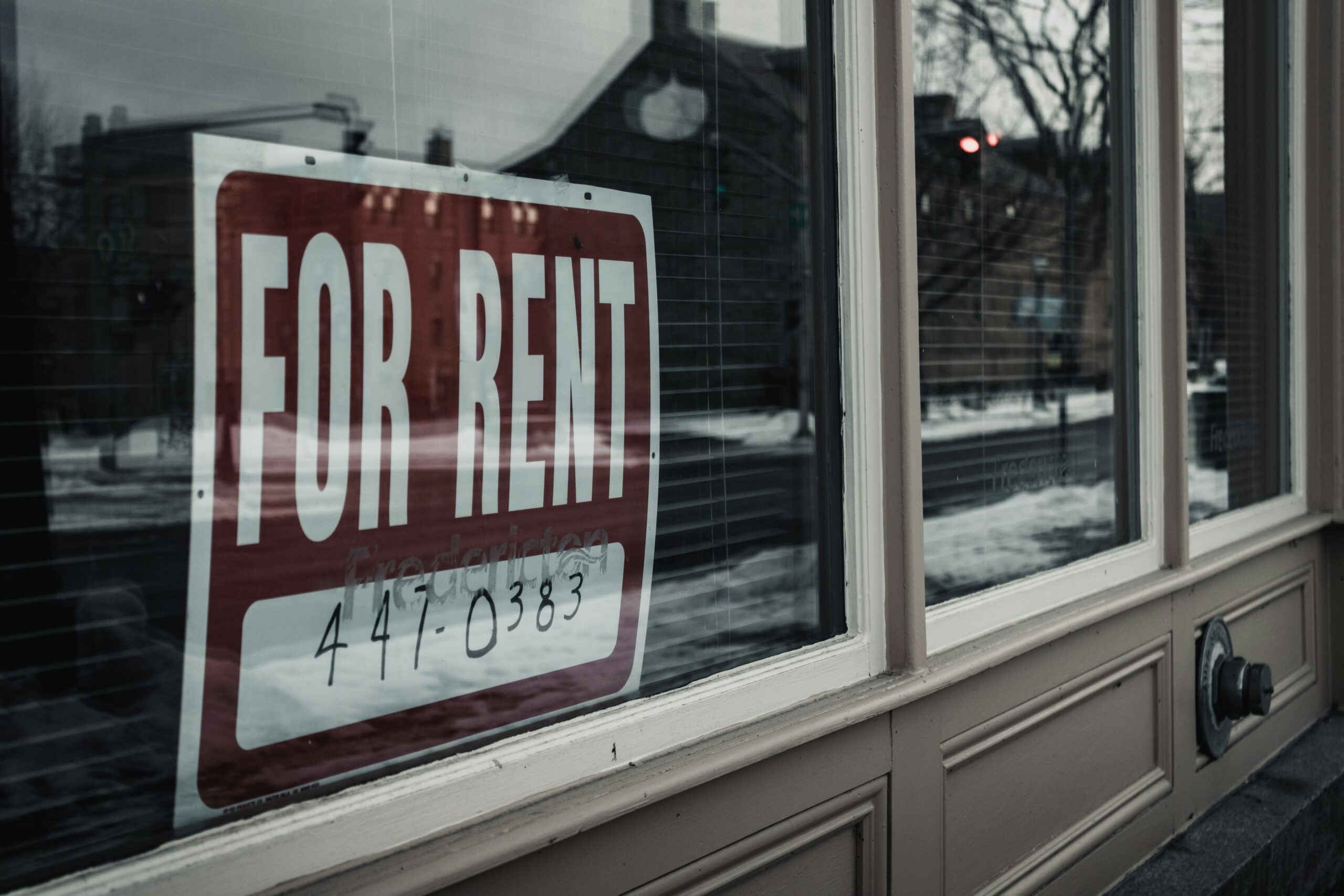
Inheriting a house can feel like both a gift and a responsibility. On one hand, it represents opportunity, an asset with real financial value. On the other, it brings decisions that carry tax, legal, and emotional consequences. One of the most common questions heirs face is simple but significant: Should you sell or rent an inherited house?
The answer depends on your financial goals, the condition of the property, local market conditions, tax considerations, and your tolerance for being a landlord. This decision is rarely just about numbers. It is about lifestyle, risk, time, and long-term strategy.
Understanding the full picture helps you make a choice that supports your future instead of complicating it.
Understanding What You Actually Inherited
Before deciding whether to sell or rent, you need clarity on what you own. When you inherit property, its tax basis is typically “stepped up” to its fair market value at the date of the original owner’s death. This matters because it can significantly reduce capital gains taxes if you sell soon after inheriting.
You should confirm:
- Whether the property has a mortgage
- The current market value
- Any liens or unpaid taxes
- The condition of the home
- Ongoing carrying costs (insurance, taxes, maintenance)
An inherited house that is fully paid off presents a different decision than one with an outstanding loan. Similarly, a property in strong condition differs greatly from one requiring major repairs.
Clarity first. Strategy second.
The Case for Selling an Inherited House
Selling an inherited house provides liquidity. It converts a physical asset into cash that can be invested, used to pay debt, or distributed among heirs. For many families, especially when multiple siblings inherit the property, selling is the cleanest solution.
If you sell shortly after inheriting, capital gains taxes may be minimal because of the stepped-up basis. If the property has not significantly appreciated since the date of death, there may be little taxable gain.
Selling also eliminates ongoing responsibilities. Property taxes, insurance premiums, maintenance costs, and market risks all disappear once the sale is complete. You are no longer exposed to vacancies, tenant issues, or unexpected repairs.
For heirs who live out of state, have demanding careers, or prefer passive investments, selling may align better with lifestyle and financial goals.
The Case for Renting an Inherited House
Renting an inherited house can transform the property into a long-term income-producing asset. Instead of receiving one lump sum from a sale, you generate recurring rental income while potentially benefiting from future appreciation.
If the property is in a strong rental market and in good condition, it may produce steady cash flow. Rental income can supplement retirement savings, offset living expenses, or build long-term wealth.
There are also potential tax advantages to renting. You may be able to deduct expenses such as property management fees, repairs, insurance, and depreciation. These deductions can offset taxable rental income.
However, rental income is not guaranteed. Vacancies, tenant turnover, and maintenance costs can reduce profitability. Being a landlord requires time, oversight, and sometimes conflict resolution.
Renting is a business decision, not just a sentimental one.
Evaluating the Financial Math
The decision between selling and renting often comes down to financial comparison.
If you sell, how much net cash will you walk away with after taxes and closing costs? What could that money earn if invested elsewhere?
If you rent, what is the realistic monthly rent? Subtract property taxes, insurance, maintenance reserves, vacancy assumptions, and management fees. What remains is your true cash flow.
You should also consider opportunity cost. If selling the property provides a large lump sum that can be invested at a strong return, that return may exceed the rental yield.
Numbers remove emotion from the equation.
Condition and Location Matter
An inherited house that requires major repairs may not be rental-ready without significant investment. Roof replacement, HVAC upgrades, plumbing repairs, or structural issues can quickly turn a rental plan into a costly project.
Location also matters. A property in a strong rental market with growing demand may justify holding. A home in a declining area with slow appreciation may not.
Market conditions influence both sale price and rental demand. Reviewing local real estate trends helps frame the decision.
Managing Family Dynamics
If multiple siblings inherit the property, renting introduces ongoing shared ownership. That means continued coordination over repairs, tenants, tax filings, and financial distributions.
Disagreements about reinvesting profits versus distributing income can create long-term tension. Selling often provides finality and clarity, while renting requires sustained cooperation.
In many cases, renting works best when one sibling buys out the others and assumes full responsibility.
Shared rentals can strain relationships over time.
Tax Considerations Beyond the Sale
While selling shortly after inheritance may minimize capital gains, holding the property long term changes the tax picture.
If you rent the home and later sell after appreciation, capital gains taxes may apply based on the difference between the sale price and the stepped-up basis plus any improvements made.
Depreciation taken during rental ownership may also be subject to recapture taxes upon sale.
Tax implications evolve over time. Consulting with a tax professional ensures you understand both short-term and long-term consequences.
Emotional Attachment vs Financial Strategy
Inherited homes often carry sentimental value. Childhood memories, family gatherings, and emotional connections can cloud financial judgment.
Ask yourself honestly: are you holding the property because it makes financial sense, or because it feels difficult to let go?
There is no wrong emotional response. But mixing emotion with investment strategy without clarity can create regret later.
Sometimes honoring the memory of a loved one means making a practical decision that strengthens your future.
Risk Tolerance and Time Commitment
Renting involves risk. Tenants may default. Repairs may exceed expectations. Market rents may fluctuate. Laws governing landlords and tenants vary by state and can be complex.
If you prefer predictable investments and minimal involvement, selling may align better with your personality and schedule.
If you are comfortable managing risk, overseeing maintenance, and potentially working with a property manager, renting may be viable.
Self-awareness matters as much as financial projections.
When Selling Makes the Most Sense
Selling often makes the most sense when:
- The property needs significant repairs
- Multiple heirs disagree on long-term plans
- You live far away
- You prefer liquidity and simplicity
- The local market is strong for sellers
Selling provides closure and financial flexibility.
When Renting Makes the Most Sense
Renting may make sense when:
- The property is in strong condition
- The rental market is healthy
- You are comfortable being a landlord
- You want long-term income and appreciation
- You can manage or outsource property oversight effectively
Renting is a long-term wealth strategy, not a short-term fix.
Final Thoughts
Deciding whether to sell or rent an inherited house is both financial and personal. Selling provides immediate liquidity, simplicity, and reduced responsibility. Renting offers potential long-term income, appreciation, and tax advantages, but requires time, risk tolerance, and active management.
There is no universal right answer. The best decision aligns with your financial goals, lifestyle, and family dynamics.
Before deciding, gather clear information: market value, rental potential, tax implications, and maintenance needs. Compare realistic projections rather than optimistic assumptions.
An inherited house is an opportunity. Whether you convert it to cash or keep it as an income asset, the smartest choice is the one made with clarity, not pressure.




Let us help now!
Tell us about your property. Or feel free to ask us anything.