


Foreclosure
What Is Pre-Foreclosure and What Does It Mean for Homeowners?
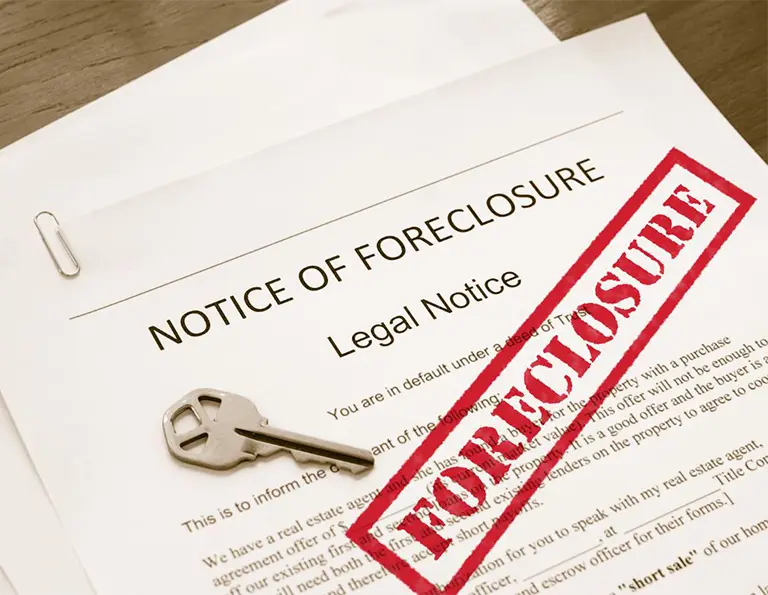
If you have fallen behind on your mortgage payments and received a Notice of Default, you may be wondering what pre-foreclosure actually means. Pre-foreclosure is the stage in the foreclosure process that begins after a lender formally starts legal action due to missed payments but before the home is sold at auction. It is a serious warning phase, but it is not the same as losing your home. During pre-foreclosure, you still legally own the property, and you still have options to stop the foreclosure from being completed.
Understanding pre-foreclosure is critical because this stage represents your strongest window of opportunity. Many homeowners mistakenly believe that once they receive legal notice, the outcome is final. In reality, pre-foreclosure is the period when strategic action can still protect your credit, your equity, and potentially your ownership.
When Does Pre-Foreclosure Start?
Pre-foreclosure typically begins after a homeowner is approximately 90 to 120 days behind on mortgage payments, though timelines vary depending on state laws and lender policies. The general progression starts with a missed payment and a late fee, followed by credit reporting after 60 days. Around 90 days of delinquency, the lender may issue a formal Notice of Default or similar filing. Once that notice is recorded, the property is considered in pre-foreclosure.
At this point, the foreclosure process has officially started, but the property has not yet been scheduled for sale or transferred to the lender. The timeline from notice to auction can range from several weeks to several months depending on whether the state uses a judicial or non-judicial foreclosure process.
What Happens During Pre-Foreclosure?
During pre-foreclosure, the lender is actively pursuing repayment of the overdue balance, but ownership of the home has not changed. The default may become public record, and additional notices may be sent outlining deadlines and possible sale dates. Interest, late fees, and legal costs may continue to accumulate.
Despite this escalation, you remain the legal owner. You can still live in the property. You can still negotiate with your lender. You can still sell the home. Pre-foreclosure is not eviction, and it is not immediate repossession. It is a formal notification that the loan is in serious default and that action must be taken.
How Does Pre-Foreclosure Affect Your Credit?
By the time pre-foreclosure begins, your credit score has likely already been affected by missed payments. Late payments at 60 and 90 days delinquent can significantly lower your credit score. However, the damage from a completed foreclosure is typically much more severe and longer lasting.
A foreclosure can remain on your credit report for up to seven years and make qualifying for future loans far more difficult. Resolving the situation during pre-foreclosure may limit long-term damage and shorten your financial recovery timeline. The distinction between pre-foreclosure and foreclosure is critical when it comes to credit impact.
Can You Sell Your Home During Pre-Foreclosure?
Yes, you can sell your home during pre-foreclosure, and many homeowners choose this option to avoid a completed foreclosure. If you have equity in the home, selling allows you to pay off the mortgage and potentially keep any remaining proceeds after closing. This can preserve financial value that might otherwise be lost in a foreclosure auction.
If you owe more than the home is worth, you may be able to pursue a short sale, where the lender agrees to accept less than the full mortgage balance. Selling during pre-foreclosure often prevents a foreclosure from appearing on your credit report, which can significantly protect your long-term financial profile.
Can You Stay in Your Home During Pre-Foreclosure?
Yes, during pre-foreclosure you are still the legal owner of the home. You cannot be forced to leave simply because foreclosure proceedings have begun. Eviction generally occurs only after the foreclosure process is completed and ownership transfers.
However, remaining passive can shorten the timeline toward auction. While you have the right to stay during pre-foreclosure, using this time strategically is essential to preserving your options.
How Can You Stop Pre-Foreclosure?
There are several ways to stop pre-foreclosure, depending on your financial situation. You may be able to reinstate the loan by paying the total overdue balance, including fees. You may qualify for a loan modification that adjusts your interest rate or payment structure. A repayment plan or temporary forbearance may be available if your hardship is short-term. In some cases, refinancing may be possible if credit and income still qualify.
If long-term affordability is uncertain, selling the home before the foreclosure auction may be the most strategic solution. The earlier you act, the more flexibility you retain. Waiting reduces leverage and limits available options.
What Happens If You Do Nothing?
If no action is taken during pre-foreclosure, the lender may proceed with scheduling a foreclosure auction. Once the auction occurs, ownership transfers to the highest bidder or back to the lender. At that point, a foreclosure is recorded on your credit report, and eviction proceedings may begin.
Pre-foreclosure is a warning phase. Foreclosure is the final outcome if the default is not resolved. Doing nothing allows the timeline to continue automatically toward that result.
Why Pre-Foreclosure Is a Critical Opportunity
Pre-foreclosure is often misunderstood as the end of the road, but it is actually the most important decision-making period in the entire foreclosure process. You still control the property. You can still negotiate. You can still sell. You can still protect your credit and equity.
This stage is serious, but it is not irreversible. It is a crossroads that demands clear thinking and decisive action. The steps you take during pre-foreclosure can determine your financial stability for years to come.
Final Thoughts
Pre-foreclosure means your lender has started the foreclosure process, but your home has not yet been sold. You still legally own the property, and you still have meaningful options. Acting quickly during this stage can prevent long-term credit damage, preserve equity, and provide a structured path forward.
The most important thing to remember is this: pre-foreclosure is not the end. It is a window. What you do during that window makes all the difference.

Let us help now!
Tell us about your property. Or feel free to ask us anything.