


Probate
Probate Real Estate Sale vs Traditional Sale: What’s the Difference?
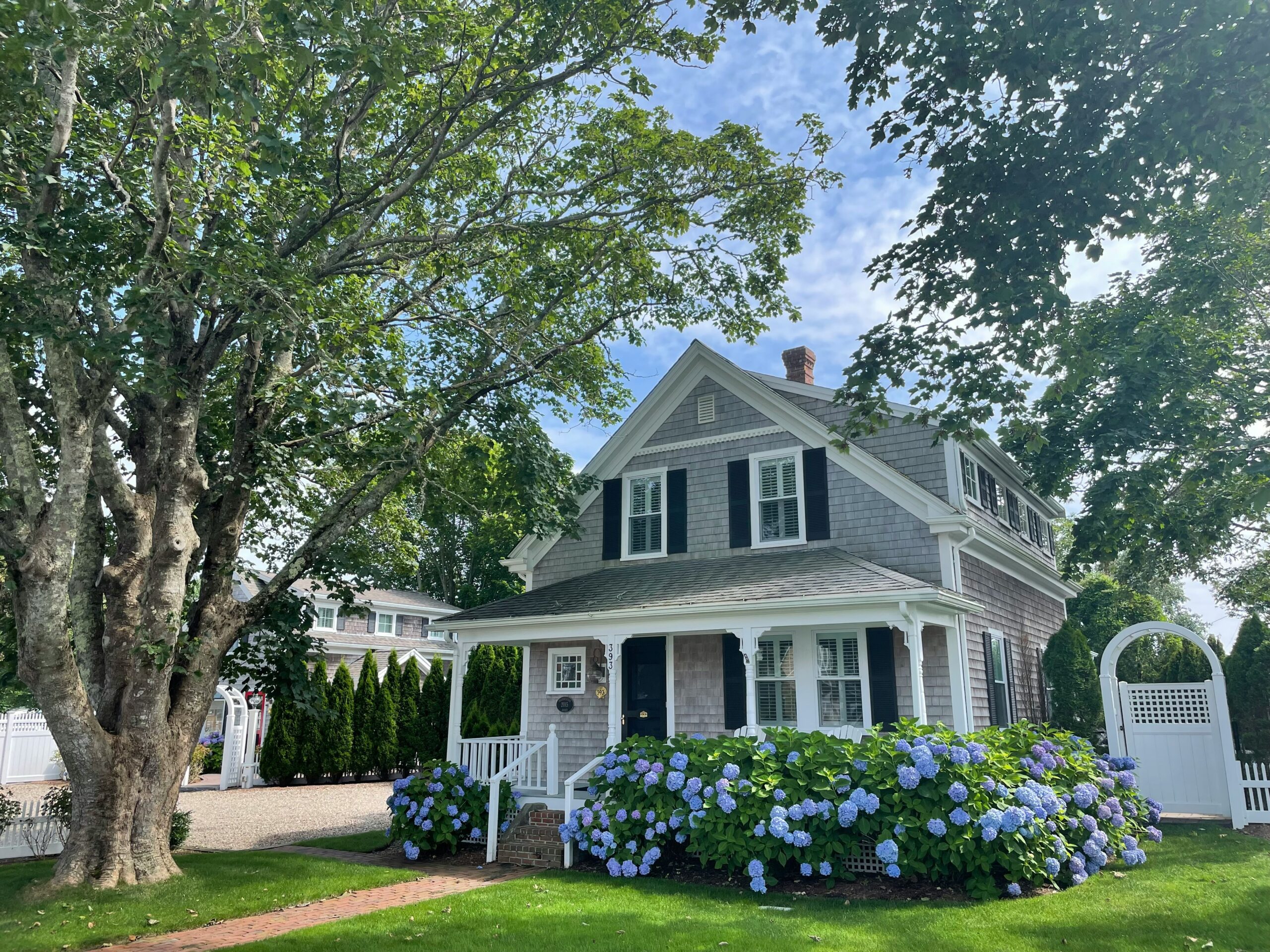
“Selling a home is stressful. Selling one during probate adds another layer.”

When you’re settling an estate, you’re not just dealing with a property, you’re navigating legal procedures, family dynamics, and often the emotional weight of loss. That’s why understanding the difference between a
probate real estate sale vs traditional sale is so important. While both involve transferring ownership of a home, the rules, timelines, and risks can look very different.
In this guide, we’ll break it down clearly and simply, with a side-by-side comparison so you can understand what changes, and what doesn’t, when a property is being sold through probate.
What Is a Probate Real Estate Sale?
A probate real estate sale occurs when a home is sold as part of settling a deceased person’s estate. Instead of a homeowner deciding to sell, the property is transferred and managed through the probate system.
Unlike a traditional sale, probate transactions often involve court oversight and additional legal steps.
Court Involvement
In many cases, the probate court must:
- Appoint an executor or administrator.
- Grant authority to sell the property.
- Approve the sale (if required under state law).
- Ensure the estate receives fair market value.
Depending on the state and the executor’s authority level, court confirmation may or may not be required. When confirmation is necessary, the sale must be reviewed and approved by a judge before it becomes final.
Executor vs. Homeowner Authority
In a traditional sale, the homeowner owns the property outright and can list, negotiate, and close at their discretion.
In probate:
- The executor or administrator acts on behalf of the estate.
- Their authority is limited by probate laws.
- They must follow legal notice requirements and court procedures.
This difference in authority is one of the key distinctions between probate and standard home sales.
Overview of the Probate Home Sale Process
The probate home sale process typically includes:
- Opening probate with the court.
- Appointment of an executor or administrator.
- Determining whether court approval is required.
- Listing or marketing the property.
- Accepting an offer.
- (If required) Attending a court confirmation hearing.
- Closing after legal approval.
Each step adds structure, and often time, to the transaction.
Estate Timelines
Traditional home sales commonly close within 30 to 45 days once a buyer is secured. Probate sales, however, may take significantly longer.
Timelines can range from:
- 60 to 120+ days if court confirmation is required.
- Longer if there are disputes, missing heirs, or court delays.
Understanding these differences upfront helps families set realistic expectations and choose the approach that best fits their situation.
What Is a Traditional Home Sale?
A traditional home sale is what most people think of when they imagine selling a house.
- The seller owns the property outright and has full authority to sell.
- The home is typically listed with a realtor.
- There is no court oversight involved.
- The transaction follows a familiar sequence: negotiation → escrow → closing.
Once an offer is accepted, both parties move toward closing based on agreed-upon terms. While inspections, appraisals, and financing can affect the timeline, there is no probate court involvement and no public bidding process.
Compared to probate, it’s a more straightforward transaction with fewer legal layers.
Probate Real Estate Sale vs Traditional Sale: Side-By-Side Comparison
When comparing a probate real estate sale vs traditional sale, the biggest differences come down to authority, court involvement, and timeline.
Here’s a clear breakdown:
| Probate Real Estate Sale | Traditional Sale |
| Court may require approval | No court involvement |
| Executor acts on behalf of estate | Owner sells directly |
| Possible overbidding | No public bidding |
| Longer timeline (60–120+ days) | 30–45 days typical |
| Higher emotional stress | Standard transaction stress |
| May require notices to heirs | No heir approval needed |
Court Involvement
In probate, the court may need to approve the sale before it becomes final. In a traditional sale, once both parties sign the contract, the process moves forward without judicial review.
Authority to Sell
In probate, the executor acts on behalf of the estate and must follow legal guidelines. In a traditional sale, the homeowner has direct authority to negotiate and close.
Overbidding Risk
Some probate sales allow overbidding at a confirmation hearing. In traditional transactions, once an offer is accepted, there is no public bidding stage.
Timeline Differences
Traditional home sales often close within 30 to 45 days. Probate sales can take 60 to 120 days, or longer, depending on court calendars and estate complexity.
Emotional Factors
A traditional sale is usually a planned financial decision. A probate sale often happens after a loss, which can add emotional strain and family coordination challenges.
Heir Notices
Probate transactions may require formal notice to heirs and beneficiaries. Traditional sales do not require third-party approval beyond the buyer and seller.
Understanding these contrasts makes it easier to evaluate which path fits your specific situation, and what to expect from each process.
Selling Probate House vs Realtor: What Changes?
When comparing selling probate house vs realtor, the core structure of listing a home may look similar, but the legal authority, paperwork, and buyer expectations are often very different.
Here’s what typically changes.
Authority & Paperwork
In a traditional sale, the homeowner signs listing agreements and closing documents directly. In probate, the executor or administrator signs on behalf of the estate, and must prove they have legal authority to do so.
Common requirements include:
- Letters Testamentary or Letters of Administration
These court-issued documents officially grant the executor authority to act on behalf of the estate. - Court filings
Depending on the estate’s status, additional filings or approvals may be required before or after accepting an offer. - Disclosure requirements
Probate sellers may be exempt from certain disclosures in some states, but requirements vary. Executors often have limited knowledge of the home’s condition, which can affect how disclosures are handled.
The added legal layer is one of the main differences when selling probate property through a realtor.
Property Condition
Inherited homes are often not in the same condition as owner-occupied properties.
It’s common to see:
- Outdated interiors
- Deferred maintenance
- Older roofs, HVAC systems, or plumbing
- Personal belongings still inside the home
In many estates, funds are limited. The executor may not have the budget to:
- Make repairs
- Update kitchens or bathrooms
- Stage the property for market
This can influence pricing strategy and buyer pool.
Buyer Expectations
Traditional buyers shopping the open market often expect:
- Move-in ready condition
- Updated finishes
- Minimal repair needs
Buyers targeting probate properties may:
- Expect the home to be sold as-is
- Anticipate some level of discount
- Understand longer timelines if court approval is required
These differences can impact how the property is marketed and what offers look like.
Estate Sale Real Estate Considerations
The phrase estate sale real estate can sometimes cause confusion because it refers to two related, but different, things.
Estate Sale (Personal Belongings)
An estate sale typically involves selling:
- Furniture
- Appliances
- Personal items
- Collectibles
This is usually handled by an estate liquidator or auction company and happens before the home itself is sold.
Estate Real Estate Sale (The House Itself)
This refers specifically to selling the property as part of settling the estate.
When both are involved, coordination becomes important.
Clearing Contents
Before listing the home, the executor must decide whether to:
- Hold an estate sale
- Donate remaining items
- Dispose of unwanted belongings
Clearing a home can take weeks, especially if it has decades of accumulated possessions.
Coordinating With Estate Liquidators
If a professional estate sale company is hired, scheduling must align with:
- Probate timelines
- Listing plans
- Court approval (if required)
The property typically needs to be empty before closing, so coordination matters.
Timeline Coordination
The more moving parts involved, probate filings, estate sales, property cleanout, the longer the overall process can take.
Understanding the difference between managing personal property and selling the real estate itself helps families plan realistically and avoid unexpected delays.
Inherited Property Sale Options
When evaluating inherited property sale options, there isn’t a one-size-fits-all answer. The right path depends on the property’s condition, the estate’s financial needs, and how quickly the heirs want to move forward.
Below are the three most common approaches.
Option 1: List With a Realtor
Listing the property on the open market is often the first option families consider.
Advantages:
- Market exposure through MLS listings and buyer networks
- Potential to achieve the highest purchase price
- Competitive offers in strong markets
Considerations:
- Longer overall timeline
- Repairs, cleaning, and staging may be required
- Showings and inspections can extend the process
- Court confirmation may still apply in probate cases
This route works best when the home is in good condition and the estate can accommodate a longer sale period.
Option 2: Sell As-Is to an Investor
Selling directly to an investor or cash buyer is another option, especially when the property needs work or the estate wants a simpler process.
Advantages:
- Faster closing in many cases
- No repairs or renovations required
- Fewer contingencies (no financing delays, no appraisal requirements)
Considerations:
- The purchase price may be lower than retail market value
- Offers prioritize speed and certainty over maximum price
For estates prioritizing simplicity and timeline, this option can reduce stress and carrying costs.
Option 3: Keep & Rent
Some heirs choose not to sell immediately.
Advantages:
- Potential rental income
- Long-term appreciation opportunity
Considerations:
- Ongoing property management responsibilities
- Maintenance and tenant coordination
- Possible capital gains implications when selling later
- Shared ownership complications if multiple heirs are involved
This option works best when heirs are aligned and prepared to manage or outsource landlord responsibilities.
Each path has trade-offs. The decision typically comes down to balancing time, effort, certainty, and potential financial return.
Timeline Comparison: Probate vs Traditional
One of the biggest differences between probate and traditional sales is timeline predictability.
Here’s a simplified breakdown.
Traditional Sale Timeline
- 1–2 weeks prep (cleaning, minor repairs, listing photos)
- 2–4 weeks on market (varies by demand)
- 30–45 days closing after accepting an offer
While delays can occur, the process is generally linear and predictable.
Probate Sale Timeline
- Probate filing (can take weeks to months before sale authority is granted)
- Court approval if required
- Confirmation hearing if applicable
- Closing after court order
Each stage introduces variables:
- Court calendar availability
- Notice requirements
- Potential heir objections
- Overbidding scenarios
The key difference is uncertainty. Traditional sales usually follow a predictable path once listed. Probate sales often depend on legal procedures and external approvals that can extend timelines beyond initial expectations.
Understanding these timeline differences helps families plan realistically and choose the option that aligns with their priorities.
Cost Comparison
When evaluating a probate real estate sale vs traditional sale, it’s important to look beyond the sale price and consider total costs. The net outcome, what the estate ultimately keeps, is influenced by multiple expenses.
Traditional Sale Costs
A traditional listing often includes:
- Realtor commission
Typically a percentage of the sale price paid at closing. - Repairs and updates
Fixing deferred maintenance, addressing inspection items, or modernizing outdated features to attract buyers. - Staging and preparation
Cleaning, landscaping, photography, and sometimes professional staging to maximize appeal. - Holding costs
Mortgage payments, insurance, property taxes, utilities, and maintenance while the home is on the market.
These costs can add up, especially if the home takes longer to sell or requires significant work before listing.
Probate Sale Costs
Probate transactions introduce additional or different expenses:
- Court filing fees
Required to open and manage the probate case. - Attorney fees
Legal guidance is often necessary to navigate estate administration and court procedures. - Publication notices
Some jurisdictions require public notices related to the sale. - Extended carrying costs
Because probate timelines are often longer, property taxes, insurance, and upkeep may continue for months.
While probate sales may reduce certain prep expenses if sold as-is, extended timelines can offset those savings. Ultimately, what matters most is the net result, the sale price minus all related costs and time invested.
Understanding the full financial picture helps families make decisions based on outcomes, not just headline numbers.
Emotional Differences
Financial considerations matter, but emotional context often plays an even bigger role.
Traditional Sale
In most traditional transactions, selling is a decision made by choice. It may represent:
- Upsizing or downsizing
- Relocating for work
- Transitioning to a new chapter
While stressful, the process is usually part of a forward-looking plan.
Probate Sale
A probate sale often happens under very different circumstances.
- Selling after a loss
The transaction may follow the death of a loved one, adding grief to an already complex process. - Family disagreements
Heirs may have differing opinions about pricing, timing, or whether to sell at all. - Decision fatigue
Executors must handle legal filings, personal property distribution, financial accounts, and the home sale, often all at once.
These emotional factors can make probate feel heavier than a standard real estate transaction.
Recognizing that difference matters. The right approach isn’t only about price or speed, it’s about what helps the family move forward with clarity and less strain.
When a Traditional Sale Makes Sense
In some situations, listing the home on the open market is the most practical choice.
A traditional sale often makes sense when:
- The property is updated and in good condition
Homes that are move-in ready, recently renovated, or well-maintained tend to attract strong retail buyers. - No court confirmation is required
If the executor has full authority and probate does not require a confirmation hearing, the sale can proceed more smoothly. - The estate is not in a rush
If there’s no immediate financial pressure, the family may have time to prepare the home, list it, and wait for the right offer. - Multiple heirs are aligned
When beneficiaries agree on pricing, timeline, and strategy, the process is typically more efficient and less stressful.
In these cases, a traditional listing may provide broader market exposure and potentially maximize sale price.
When a Direct Probate Sale Makes Sense
There are also situations where simplifying the process becomes the priority.
A direct probate sale may be worth considering when:
- The property needs repairs
Significant updates, deferred maintenance, or a home filled with belongings can make traditional preparation costly and time-consuming. - Court confirmation would delay the sale
If the estate requires court approval or a confirmation hearing, avoiding extended timelines may be appealing. - Heirs live out of state
Managing repairs, showings, and coordination from another state can add logistical challenges. - The estate needs liquidity quickly
Ongoing expenses, debts, or beneficiary distributions may create urgency.
In these scenarios, reducing complexity and shortening timelines may outweigh the potential benefits of listing traditionally.
If you’d prefer to sell your probate property without repairs, there are options designed specifically for inherited homes.
The key is choosing the path that best fits your estate’s financial goals, timeline, and emotional capacity, not just what works in a standard home sale.
Frequently Asked Questions
Is probate real estate harder to sell?
Not necessarily, but it can be more complex. The added legal steps, possible court approval, and coordination among heirs can slow the process. From a buyer’s perspective, uncertainty around timelines may reduce interest. However, if the estate is organized and authority is clear, probate homes can sell successfully like any other property.
Do probate homes sell for less?
It depends on condition, timeline, and strategy. Some probate homes sell at full market value, especially in strong markets and when properly prepared. Others may sell for less if they need repairs, require court confirmation, or if the estate prioritizes speed over maximizing price. The final outcome is usually influenced more by condition and timeline than by probate status alone.
Can I avoid using a realtor during probate?
In many cases, yes. Executors are not legally required to use a realtor, though some choose to for marketing and negotiation support. Others explore direct sale options. The right approach depends on your authority under probate law, the condition of the home, and your comfort level managing the transaction.
Who signs the contract in probate?
The executor or court-appointed administrator signs the contract on behalf of the estate. They do not sign as an individual homeowner but in their legal capacity as the estate’s representative. Their authority must typically be documented through court-issued Letters Testamentary or Letters of Administration.
Are probate sales always public?
Not always. Some probate sales require public notice or court confirmation hearings, which are part of the public record. Others, particularly when the executor has full authority, can proceed without public overbidding or court hearings. Requirements vary by state and estate structure.
Final Thoughts on Probate Real Estate Sale vs Traditional Sale
When comparing a probate real estate sale vs traditional sale, the core difference comes down to legal structure and timeline.
Traditional sales are typically straightforward: owner lists, negotiates, and closes. Probate sales may involve court oversight, executor authority, heir coordination, and extended timelines.
Neither path is automatically better. The right choice depends on:
- The property’s condition
- The executor’s authority
- The estate’s financial needs
- The family’s timeline and alignment
Clarity matters more than pressure. Understanding your options allows you to make a decision based on facts, not urgency or assumptions.
If you’re weighing your options and want guidance specific to your situation, we’re here to help you think it through.
Sometimes the best next step isn’t rushing to list, it’s making sure you understand the path ahead.


Let us help now!
Tell us about your property. Or feel free to ask us anything.