


Foreclosure
Short Sale vs Foreclosure: What’s the Difference?
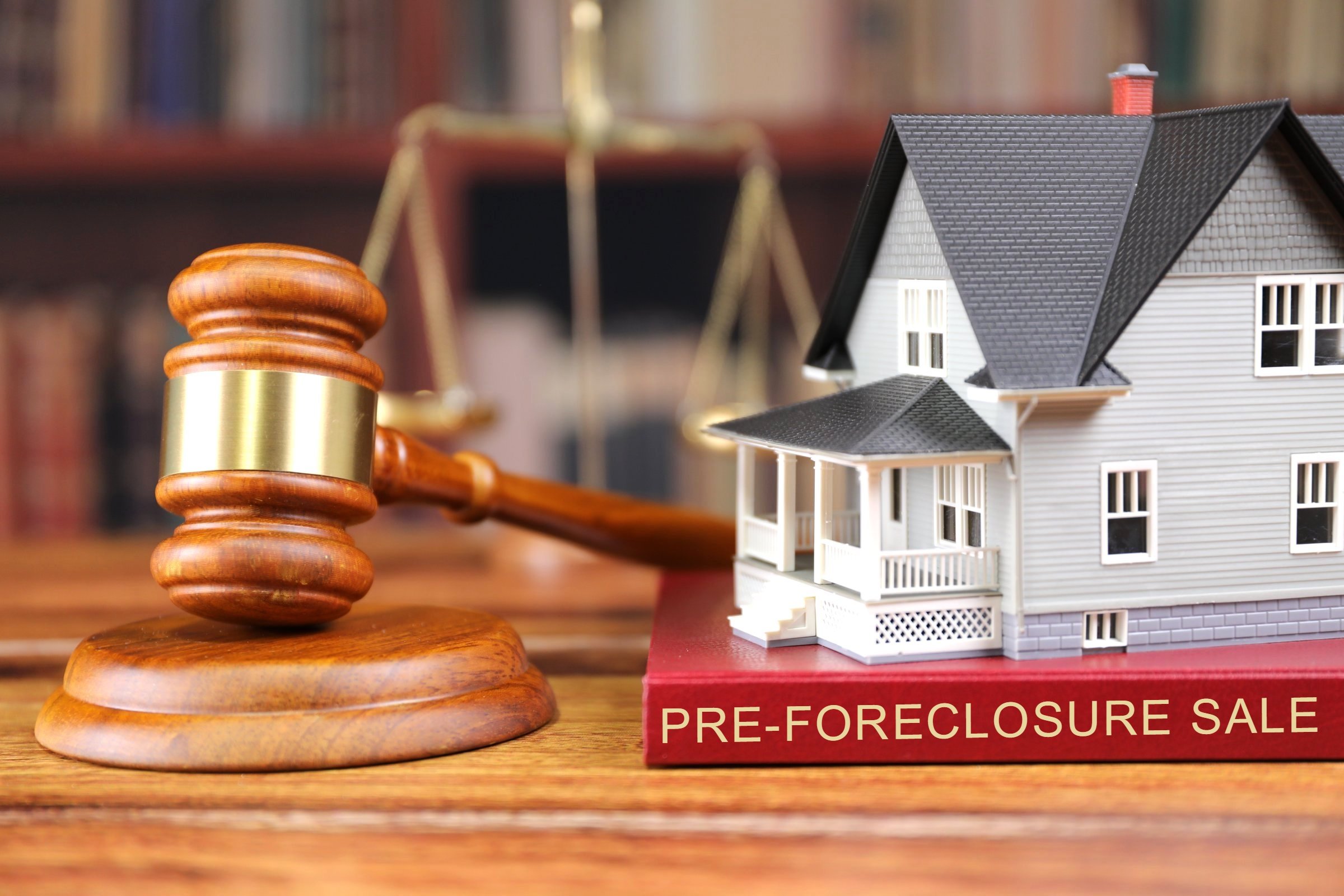
If you’re behind on mortgage payments and struggling to keep up, you’ve probably come across two terms: short sale and foreclosure. While both involve selling a home under financial distress, they are not the same , and the long-term consequences can be very different.
Understanding the difference between a short sale and foreclosure can help you protect your credit, reduce financial damage, and make a more strategic decision during a difficult time.
What Is a Short Sale?
A short sale happens when a homeowner sells their property for less than the amount owed on the mortgage, and the lender agrees to accept the lower payoff to avoid foreclosure.
For example, if you owe $300,000 on your mortgage but the home is only worth $260,000 in the current market, the lender may approve a sale at $260,000 and forgive or negotiate the remaining balance.
The key detail is this: a short sale requires lender approval. You cannot simply decide to sell for less than what you owe without the lender agreeing to accept the reduced amount.
Short sales are typically pursued when:
- The homeowner is experiencing financial hardship
- The home is worth less than the mortgage balance
- Long-term affordability is not realistic
- Foreclosure is likely if no action is taken
In a short sale, the homeowner remains actively involved in selling the property. It is still a sale , just under distressed circumstances.
What Is Foreclosure?
Foreclosure is a legal process initiated by the lender when a homeowner fails to make mortgage payments. If the default is not resolved, the lender repossesses the property and sells it at auction to recover the debt.
Unlike a short sale, foreclosure is not voluntary. Once the process begins, it follows a legal timeline that may include court proceedings, public notices, and eventually a foreclosure sale.
In foreclosure:
- The lender takes control of the sale process
- The home is sold at auction or becomes bank-owned
- The homeowner loses ownership once the sale is finalized
Foreclosure removes decision-making power from the homeowner and often results in greater credit damage.
The Major Differences Between a Short Sale and Foreclosure
While both outcomes involve financial distress, the differences are significant.
A short sale is proactive. The homeowner works with the lender to sell the property before foreclosure is completed. Foreclosure is reactive. The lender takes legal action to recover the property after payments remain unpaid.
In a short sale, the homeowner cooperates with the lender and buyer to complete the transaction. In foreclosure, the lender controls the process entirely once the legal proceedings advance.
Credit impact also differs. A foreclosure can remain on your credit report for up to seven years and often causes a significant drop in credit score. A short sale still affects credit, especially due to missed payments, but it is typically viewed as less severe than a completed foreclosure.
Another important difference is the potential for a deficiency balance. In both situations, if the home sells for less than what is owed, the remaining balance is called a deficiency. In a short sale, the lender may agree to waive the deficiency as part of the approval process. In foreclosure, lenders may pursue a deficiency judgment depending on state law.
Which Is Worse for Your Credit?
Generally, foreclosure is more damaging than a short sale.
A foreclosure is recorded as a completed repossession of the property and can significantly lower your credit score. A short sale may still appear as a settled debt for less than the full amount, but it is often less harmful long term.
That said, much of the credit damage in either case comes from missed payments leading up to the resolution. Acting earlier can reduce overall impact.
How Long Does Each Process Take?
A short sale can take several months because it requires lender approval, buyer negotiation, and detailed financial documentation. It is not fast, but it is controlled.
Foreclosure timelines vary by state. In judicial states, the process can take many months or even longer. In non-judicial states, it can move more quickly.
The difference is not just speed , it is control. With a short sale, you remain involved in the decision-making process. With foreclosure, the timeline proceeds regardless of your preferences.
When Does a Short Sale Make Sense?
A short sale may be the right choice if:
- You owe more than the home is worth
- You cannot afford the mortgage long term
- You want to avoid foreclosure
- You are willing to cooperate with the lender
Short sales require documentation of financial hardship and patience during approval. However, they can provide a structured exit with less long-term financial damage.
When Does Foreclosure Happen?
Foreclosure generally happens when:
- No agreement is reached with the lender
- The homeowner stops communicating
- The loan remains in default
- A short sale or modification is not pursued or approved
In many cases, foreclosure is the result of inaction rather than immediate inevitability.
Can You Choose Between Them?
In many situations, yes. If you act before the foreclosure sale is finalized, you may still pursue a short sale. Once the foreclosure auction occurs and ownership transfers, that option is gone.
Timing is critical. The earlier you engage with your lender, the more options you retain.
Final Thoughts
So what’s the difference between a short sale and foreclosure?
A short sale is a negotiated solution that allows you to sell the home for less than what is owed with lender approval. Foreclosure is a legal repossession process where the lender takes control and sells the property after default.
Both are serious. Both affect credit. But foreclosure typically causes greater long-term financial damage and removes control from the homeowner.
If you are facing mortgage hardship, the most important step is not deciding which term sounds better. It is taking action before foreclosure becomes final.
Control decreases with time. Options expand with early intervention.



Let us help now!
Tell us about your property. Or feel free to ask us anything.