


Foreclosure
What Happens After a Foreclosure Sale?
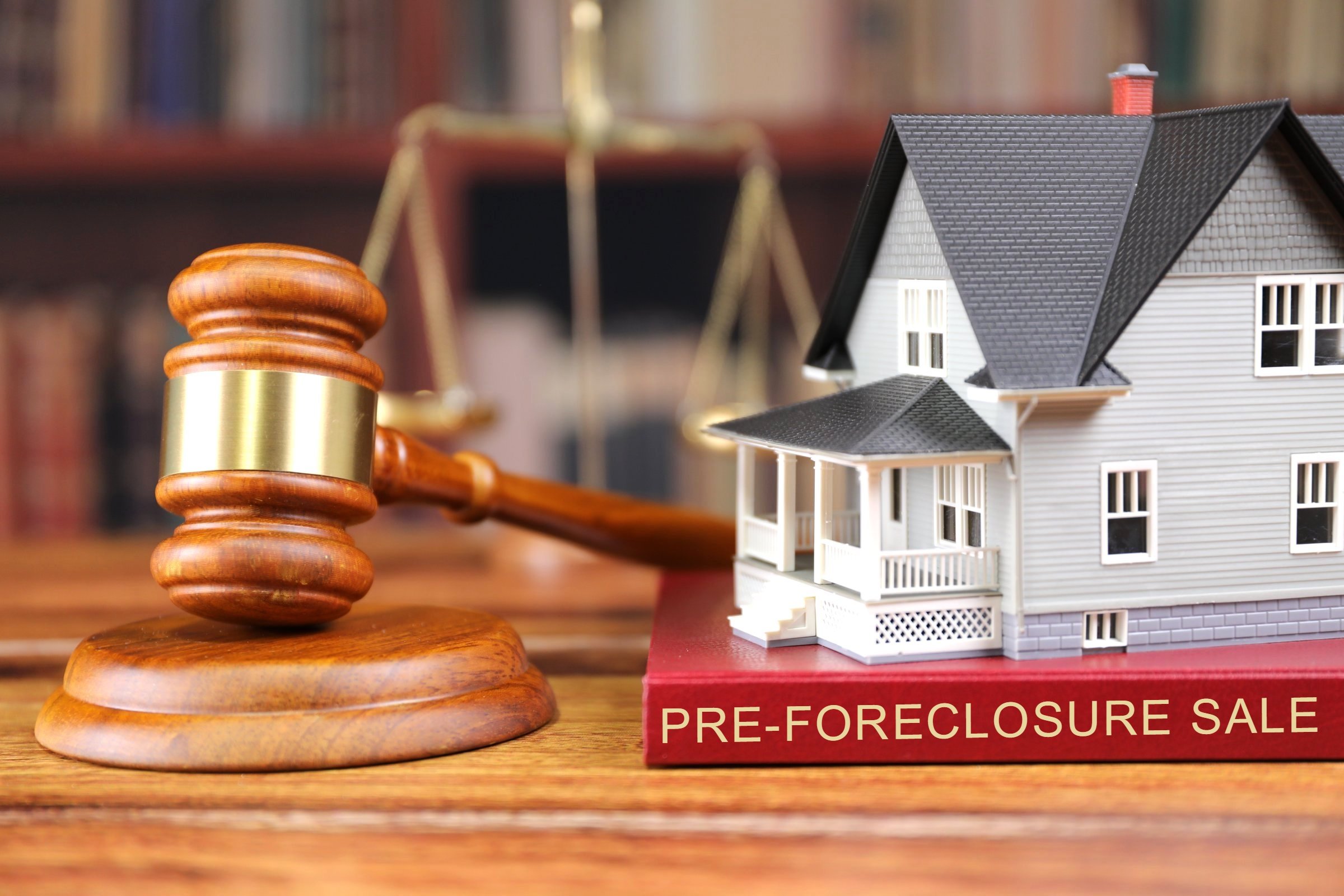
If your home has already gone through a foreclosure auction, you may be wondering what comes next. Once the foreclosure sale is completed, ownership of the property transfers either to the highest bidder or back to the lender if no acceptable bids were made. At that point, the foreclosure process is no longer a threat; it is final.
However, while the foreclosure sale ends your ownership of the home, it does not necessarily end every financial or legal consequence. Understanding what happens after a foreclosure sale can help you prepare for the next steps and begin rebuilding your financial future.
Ownership Transfers to a New Party
After the foreclosure auction, the winning bidder receives rights to the property. If a third-party investor wins the auction, they become the new owner. If no one bids high enough to cover the lender’s minimum price, the property typically becomes bank-owned, often referred to as real estate owned (REO).
Once the sale is finalized and recorded, you are no longer the legal owner of the home. The title transfers to the new owner, and your mortgage obligation tied to that property is generally extinguished, though other financial issues may remain depending on the situation.
Do You Have to Move Out Immediately?
In most cases, you are not required to leave the property the same day as the foreclosure auction. The new owner must follow legal procedures to take possession of the property.
If the home becomes bank-owned, the lender may contact you to discuss move-out timelines. In some situations, banks offer “cash for keys” agreements, where they provide financial assistance in exchange for leaving the home in good condition by a certain date.
If a third-party buyer purchases the property, they may initiate formal eviction proceedings if you do not voluntarily vacate. The timeline for eviction varies by state but typically involves court filings and legal notice periods.
While you do not have to leave immediately, remaining in the home without a plan can shorten your options.
What Happens to Your Credit?
A completed foreclosure has a significant impact on your credit report. The foreclosure will typically remain on your credit history for up to seven years. Credit scores often drop substantially, especially if there were multiple missed payments leading up to the sale.
The severity of the impact depends on your overall credit profile prior to foreclosure. While the damage is serious, it is not permanent. Over time, responsible financial behavior can gradually rebuild your credit.
Understanding this impact allows you to shift focus from what happened to what comes next.
Can the Lender Still Come After You for Money?
In some cases, yes. If the foreclosure sale price does not fully cover the remaining mortgage balance, the lender may pursue a deficiency judgment. A deficiency is the difference between what you owed and what the property sold for.
Whether a lender can pursue this balance depends on state law. Some states prohibit deficiency judgments after certain types of foreclosure, while others allow lenders to seek repayment through court action.
If a deficiency is pursued, it may result in wage garnishment or other collection efforts. Consulting with a legal professional can help clarify your exposure based on your state’s laws.
Is There a Redemption Period?
Some states provide a statutory redemption period after a foreclosure sale. A redemption period allows the former homeowner to reclaim the property by paying the full amount owed, including fees and costs, within a specified timeframe.
Redemption periods are not available in every state, and the timeframe can vary from a few weeks to several months. If you believe you may qualify for redemption, it is essential to act quickly and confirm the rules in your state.
In many states, however, once the auction is finalized and recorded, the sale is permanent.
What About Property Taxes and Utilities?
After foreclosure, responsibility for property taxes and utilities typically shifts to the new owner once the sale is completed. However, any unpaid taxes or utility bills accrued before the sale may still be your responsibility.
Reviewing outstanding balances and ensuring all accounts are properly closed can prevent future billing or collection issues.
How Soon Can You Buy Another Home?
A common question after foreclosure is how long you must wait before purchasing another home. Waiting periods vary depending on the type of future loan you pursue.
For conventional mortgages, the waiting period is often several years. Government-backed loans such as FHA or VA loans may have shorter waiting periods under certain conditions.
Lenders will also review how you have managed credit since the foreclosure. Consistent income, on-time payments, and responsible financial behavior can improve your eligibility timeline.
While foreclosure delays homeownership, it does not permanently eliminate the possibility.
Rebuilding After Foreclosure
Once the foreclosure sale is complete, the focus shifts from prevention to recovery. Rebuilding begins with stabilizing your housing situation, reviewing your credit report for accuracy, and establishing a plan to improve your financial health.
Key steps often include:
- Paying all current obligations on time
- Reducing outstanding debt
- Monitoring your credit regularly
- Avoiding high-interest borrowing
- Building an emergency savings fund
Recovery takes time, but progress compounds steadily with disciplined action.
The Emotional Impact of Foreclosure
Beyond the financial consequences, foreclosure can carry emotional weight. Many homeowners experience feelings of stress, disappointment, or embarrassment. It is important to remember that financial hardship can happen for many reasons, including job loss, medical expenses, economic downturns, or unexpected life changes.
Foreclosure is a financial event, not a personal failure. What matters most is how you move forward from it.
Final Thoughts
After a foreclosure sale, ownership transfers, eviction may eventually follow, and credit damage becomes official. In some cases, lenders may pursue a deficiency balance depending on state law. However, foreclosure is not the end of your financial story.
Understanding what happens next allows you to move strategically instead of react emotionally. While the loss of a home is significant, it also marks the beginning of a new financial chapter.
The most important step after foreclosure is not dwelling on what happened. It is building the foundation for what comes next.



Let us help now!
Tell us about your property. Or feel free to ask us anything.